

The Importance of Follow-Up: How to Turn Leads into Paying Clients
In today’s fast-paced digital world, turning leads into paying clients isn’t as simple as sending one email and hoping for the best. The reality is, following up with potential customers consistently and thoughtfully can mean the difference between a sale and a lost opportunity.
The good news? An email follow-up funnel can help you nurture leads until they’re ready to buy, and when paired with behavior-based segmentation, it can skyrocket your conversions. Let’s dive into why follow-up is critical, how to implement it effectively, and how segmenting based on behavior can boost your sales.

Why Follow-Up Is Key
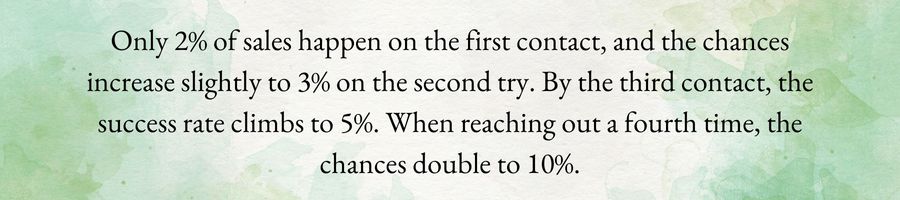
Many businesses make the mistake of stopping communication after the first touchpoint. Maybe they send an introductory email, hear nothing back, and assume the prospect wasn’t interested. But statistics tell us that the real power lies in persistence. In fact, 80% of sales require five follow-up calls after the initial contact, yet 44% of salespeople give up after one follow-up.
Imagine if you only reached out once—there’s a high chance your lead won’t be ready to buy yet. Whether it’s a new product they’re learning about, budget considerations, or simply the timing, they need more nurturing. This is where a structured follow-up system comes into play.

The Power of Email Follow-Up Funnels
A well-designed email follow-up funnel helps you stay top of mind while providing valuable content that builds trust over time. An effective funnel educates, engages, and eventually turns your leads into paying customers.
Why an email funnel works:
- Consistent communication: You don’t have to rely on memory or manual effort to follow up. Automated emails keep your business at the forefront of your lead’s mind without being intrusive.
- Education and nurturing: Each follow-up email is a chance to teach your prospects something new, address their pain points, and provide solutions to their problems.
- Trust-building: According to the Harvard Business Review, it takes an average of 7 touchpoints before a prospect becomes a paying customer . The more personalized and valuable your follow-ups, the faster you build the “know, like, trust” factor.
Behavior-Based Segmentation: Meet Your Leads Where They Are
One-size-fits-all email strategies are a thing of the past. Today’s customers expect personalized experiences, and one of the best ways to deliver that is through behavior-based segmenting. This technique allows you to send specific follow-ups based on actions your prospects take.
Here’s how it works:
- Track their activity: Did someone click on a link in your email but didn’t make a purchase? Segment them and send a follow-up email that specifically addresses what they were looking at.
- Tailor your messaging: If a lead downloaded an eBook on a particular topic, follow up with content that builds on their interest. Show them you’re paying attention to their needs.
- Boost open rates and conversions: Personalized emails based on behavior have higher open rates and click-through rates. According to Campaign Monitor, marketers have seen a 760% increase in revenue from segmented campaigns .
Actionable Tactics to Implement
Now that you understand the value of email follow-up and segmentation, how can you start implementing these strategies?

1. Build a Unique Follow-Up Funnel
To stand out from the flood of emails your leads receive, your follow-up funnel must go beyond generic advice. Here are some more valuable and unique steps to build a funnel that converts:
- Personal video emails: Instead of just a text-based email, try sending a video message. Tools like Bonjoro or Loom make it easy to send personalized videos, and seeing a real person builds trust faster.
- Decision-based funnels: Instead of a fixed series, build a funnel that changes based on how recipients engage. Did they open the email but not click the link? Move them to a sequence that addresses their hesitation. Did they click but not convert? Send a case study that alleviates common concerns.
- Scarcity-driven emails: As your funnel progresses, introduce limited-time offers or spots. It creates a sense of urgency and can trigger action, especially when used thoughtfully near the end of your sequence.
- Exclusive ‘insider’ content: Toward the end of your funnel, offer something that feels exclusive—a behind-the-scenes look at your process, a client success story they won’t find on your website, or a sneak peek of an upcoming offer. This helps build an emotional connection while driving conversions.
2. Implement Behavior-Based Segmentation with Precision
Most businesses segment based on basic actions like clicking links or opening emails. Let’s go a step further with more advanced and unexpected tactics:
- Activity timelines: Create segments based on the timeline of their actions. For example, someone who clicks on an offer within an hour of receiving your email should receive a different follow-up than someone who clicks a week later. Time-based behaviors can reveal intent and readiness to buy.
- Trigger-based automations: Integrate third-party tools to track off-email behavior, like visits to specific pages on your site, scroll depth, or time spent on key landing pages. Use these insights to trigger email sequences tailored to what they’re actively researching.
- Feedback loops: After a few follow-up emails, ask for feedback—this could be as simple as a “What’s holding you back?” or “What’s your biggest challenge?” survey. Segment based on their answers, offering highly targeted follow-ups that directly address their concerns.
- Interest-based grouping: Use data from your lead magnets (like eBooks, quizzes, or downloads) to categorize leads by interest or pain points. Instead of sending everyone the same nurture sequence, deliver content specific to their needs, showing them you understand their individual challenges.
3. Measure and Adjust: Key Benchmarks
To maximize the success of your follow-up strategy, regularly track your email performance and adjust as needed. Here are some key metrics to monitor:
- Open rates: The average open rate across industries is 21.33%, but don’t rely too heavily on this metric due to privacy changes from email providers (like Apple’s Mail Privacy Protection). These changes may inflate open rates since email tracking pixels are often preloaded, even if the recipient didn’t actually engage with the email. Instead, focus on click-through rates as a more accurate measure of engagement.
- Click-through rates (CTR): A good benchmark for CTR is 2.62%, based on the number of clicks as a percentage of total emails sent, not opened. This is important because if you only calculate CTR based on opens, you may get skewed data, especially with inflated open rates. CTR based on total sent emails gives you a more accurate picture of how engaging your content really is.
- Conversion rates: The average conversion rate for email is around 2-5%, calculated as the percentage of total emails sent that led to a desired action (like making a purchase). Similar to CTR, using total sent emails instead of opens avoids misleading conclusions due to inflated open rates. Conversion rates show you how well your follow-ups are turning leads into paying customers.
By implementing a unique and strategic follow-up funnel, paired with precision in behavior-based segmentation, you can drastically improve the chances of turning leads into paying clients. Your follow-ups become more than just reminders—they become personalized, value-driven interactions that guide your leads through the buying process with ease.
Conclusion: Don’t Let Leads Slip Through the Cracks
Following up is more than just sending another email—it’s about guiding your leads through their journey with you, meeting them where they are, and showing them you care. With a well-thought-out follow-up funnel and behavior-based segmentation, you’ll not only improve your sales but also build long-lasting relationships with your clients.
Don’t let your leads fall through the cracks. Start creating your follow-up system today, and watch how it transforms your business.