Targeting the Right Audience with Email List Segmentation
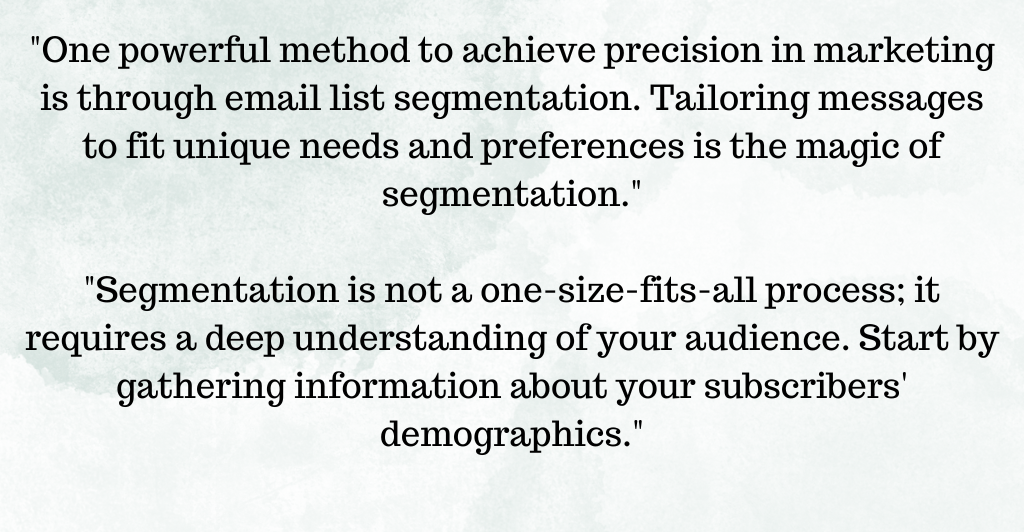
In the vast landscape of digital marketing, hitting the bullseye with your messaging is the key to success. One powerful method to achieve this precision is through email list segmentation. Imagine tailoring your messages to fit the unique needs and preferences of each customer – that’s the magic of segmentation.
Have you ever received an email that felt like it was written just for you? That’s the result of a well-executed email list segmentation strategy. Today, we’ll explore how this practice can transform your marketing efforts from generic to genuinely impactful.
Why Email List Segmentation Matters
When it comes to your audience, one size does not fit all. Email list segmentation is the art of dividing your subscriber base into smaller, more targeted groups based on specific criteria. The payoff? A tailored approach that resonates with each segment, leading to increased engagement and brand loyalty.
Benefits of Personalized Communication
In the world of marketing, personalization is the secret sauce. By segmenting your email list, you can deliver content that speaks directly to the interests and needs of different groups. This personal touch fosters a stronger connection between your brand and your audience.
Increased Engagement and Open Rates
Generic mass emails often end up in the dreaded spam folder or, worse, left unopened in crowded inboxes. Segmented campaigns, however, boast higher open rates and engagement levels. When your audience feels that your message directly addresses their concerns, they’re more likely to click and convert.
Improved Customer Satisfaction and Loyalty
Customers appreciate brands that “get” them. Through thoughtful segmentation, you demonstrate that you understand your audience’s preferences. This not only leads to satisfied customers but also builds long-term loyalty, as individuals feel a genuine connection with your brand.
How to Effectively Segment Your Email List
Segmentation is not a one-size-fits-all process; it requires a deep understanding of your audience. Here’s a breakdown of how to effectively segment your email list for maximum impact.
Understanding Customer Demographics
Start by gathering information about your subscribers’ demographics. Consider factors like age, location, and gender. This foundational data helps you create segments that resonate with the diverse characteristics of your audience.
Analyzing Past Behavior and Interactions
Your subscribers leave digital breadcrumbs with every interaction. Track their past behavior, such as website visits, email opens, and clicks. This behavioral data unveils preferences and interests, allowing you to create segments based on engagement levels.
Utilizing Purchase History and Preferences
Tap into the goldmine of purchase history. Identify your top spenders, frequent buyers, and those who prefer specific products or services. Crafting segments based on purchasing behavior enables you to suggest relevant offerings, increasing the likelihood of conversions.
Realizing the Power: Increasing Revenue with List Segmentation

Story/Example: The Impact of Targeted Campaigns
Picture this: A clothing retailer decides to run a promotional campaign. Instead of sending the same email to the entire list, they segment based on previous purchases. Customers who bought winter coats receive an exclusive offer on accessories, while those who prefer summer wear get a discount on new arrivals. The result? Increased sales and delighted customers.
Statistics on Revenue Increase Through Email List Segmentation
The proof is in the numbers. According to industry data, businesses that effectively segment their email lists witness a remarkable boost in revenue. On average, segmented campaigns result in a 760% increase in revenue compared to non-segmented ones. The numbers don’t lie – targeted marketing pays off.
Celeb/Thought Leader Quote: “In the era of personalized experiences, email list segmentation is the secret weapon for businesses looking to not just sell but connect.” – Marketing Maven
Practical Tips for Successful Segmentation
Using Automation Tools for Efficiency
Automation is your ally in the world of email list segmentation. Leverage advanced tools that can analyze customer data in real-time, automatically placing subscribers into relevant segments. This not only saves time but ensures that your messaging is always up-to-date and on-point.
Testing and Refining Segments Over Time
Effective segmentation is an ongoing process. Regularly test different segmentations to identify what resonates best with your audience. Use A/B testing to compare the performance of different segments, allowing you to refine your strategy and continuously optimize for better results.
Balancing Personalization with Privacy Considerations
While personalization is powerful, respecting privacy is paramount. Clearly communicate your data usage policies and allow subscribers to control their preferences. Striking the right balance between personalization and privacy builds trust and enhances the effectiveness of your segmentation strategy.
Conclusion
In the dynamic realm of digital marketing, where relevance is king, email list segmentation emerges as a formidable ally. By tailoring your messages to the specific needs and interests of your audience, you elevate your marketing game, fostering deeper connections and driving tangible results.
Recap of the Benefits: Email list segmentation offers benefits ranging from increased engagement and open rates to improved customer satisfaction and loyalty. It’s not just a strategy; it’s a pathway to a more personalized and impactful marketing approach.
Action Items
- Craft Personalized Segments Based on Customer Data: Dive into the wealth of customer data at your disposal. Create segments that reflect the diverse characteristics, preferences, and behaviors of your audience.
- Test Different Segmentation Strategies for Optimal Results: Embrace the power of testing. Experiment with various segmentation strategies and analyze the performance. Optimize your approach based on what resonates most with your audience.
- Monitor and Analyze the Impact on Engagement and Revenue: Keep a close eye on the metrics. Track how your segmented campaigns influence engagement, open rates, and, most importantly, revenue. Use these insights to refine your segmentation strategy for continuous improvement.
In conclusion, email list segmentation is not just a marketing tactic; it’s a dynamic tool that empowers businesses to deliver personalized experiences, foster customer loyalty, and drive revenue growth. It’s time to unlock the full potential of your email campaigns through the art of segmentation.