

Knowing when a project is “done” can be a challenge for any entrepreneur or team leader. The excitement of starting something new often overshadows the satisfaction of completing it. The result? A never-ending cycle of projects that seem to drag on, sapping team morale and stretching resources thin. In this article, we’ll explore how to clearly define when a project is complete, how to avoid the pitfalls of “scope creep,” and how to properly close out a project.
Setting Clear Objectives
One of the first steps in any project should be setting clear objectives. Forget vague goals; what you need are objectives defined in project management terms. These could be deliverables, deadlines, or specific outcomes that align with your business goals. Having well-defined objectives not only provides a roadmap for your team but also sets the criteria for when the project is truly complete.
For example, if you’re launching a new product, your objectives could include:
- Finalizing the product design by a specific date
- Completing market research and confirming product-market fit
- Achieving a set number of pre-orders
- Successfully launching the product on the agreed-upon date
Each of these objectives is specific, measurable, and time-bound, providing a clear signal for when different phases of the project are complete. When all these objectives are met, you can confidently say that the project is done.

The Value of a Written Scope and Project Management Tools
Why Having a Written Scope is Crucial
A written scope serves as the blueprint for your project. It outlines the objectives, deliverables, deadlines, and responsibilities. This document is crucial for several reasons:
Clarity: It provides a clear understanding of what needs to be done, by whom, and by when.
Accountability: With a written scope, each team member knows their responsibilities, reducing the chances of tasks falling through the cracks.
Conflict Resolution: In case of disagreements or misunderstandings, the scope serves as a reference point that can help resolve issues.
Having a written scope is not just a “nice-to-have”; it’s a necessity for successful project completion.
The Benefits of Using a Project Management Tool Like Asana
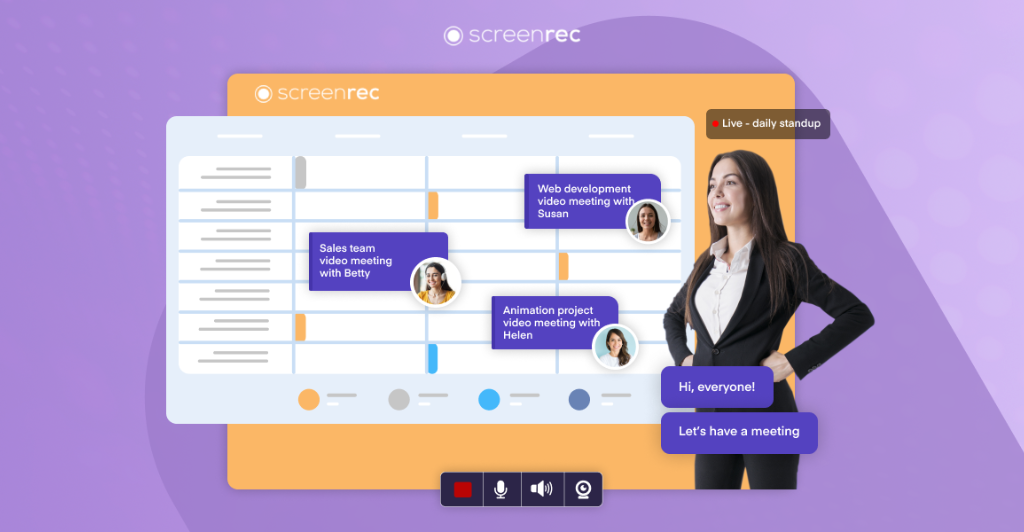
Project management tools like Asana offer a centralized platform to manage your project efficiently. Here’s why you should consider using one:
Task Management: Easily assign tasks, set deadlines, and track progress.
Collaboration: Team members can comment, share files, and update statuses, all in one place.
Visibility: With features like Gantt charts or Kanban boards, you can get a visual overview of the project’s status.
Automation: Automate routine tasks, reminders, and follow-ups, freeing up time for more critical activities.
The Dangers of Scope Creep
What is Scope Creep and Why It’s a Project Killer
Scope creep refers to the addition of tasks, features, or requirements to a project that’s already in progress, without corresponding increases in resources or timelines. It’s dangerous because:
Resource Drain: Additional tasks consume more time and resources, often without added benefits.
Demotivation: Constant changes can demoralize the team, affecting productivity.
Delays: New tasks can push deadlines, affecting the project and possibly other dependent projects.
Strategies to Avoid Scope Creep
Avoiding scope creep requires discipline, communication, and a strong project management framework. Here are some strategies:
Stick to the Scope: Any changes should be formally approved and documented.
Regular Check-ins: Hold regular meetings to review progress and discuss any proposed changes.
Stakeholder Alignment: Ensure all stakeholders are on the same page about what constitutes a change in scope and how it should be handled.
By implementing these strategies, you can keep your project on track and ensure it reaches a successful conclusion.
The Role of Milestones
How Milestones Can Help You Gauge Progress
Milestones are specific points in your project timeline that signify a significant achievement or phase completion. They serve as checkpoints to gauge whether you’re on track. Here’s how they help:
Progress Tracking: Milestones give you a high-level view of how far you’ve come and how far you need to go.
Risk Mitigation: Missing a milestone is an early indicator that something might be off, allowing you to take corrective action before it’s too late.
Resource Allocation: Knowing your milestones helps you allocate resources more effectively, ensuring that critical tasks have the necessary manpower and materials.
Celebrating Small Wins as Indicators of Completion

Each milestone reached is a small win that should be celebrated. These celebrations serve multiple purposes:
Team Morale: Acknowledging achievements boosts team morale and motivation.
Validation: Each milestone is a validation that you’re on the right track, reinforcing the value of the project.
Momentum: Celebrating small wins helps maintain momentum, making it easier to tackle the next phase of the project.
Knowing When to Pivot
When Is It Okay to Change Course?
Pivoting is a significant change in strategy, often due to unforeseen challenges or new opportunities. Here’s when it’s okay to pivot:
Data-Driven: If metrics and data strongly suggest a different approach would be more effective.
Resource Availability: Sometimes, a lack of resources necessitates a change in direction.
Market Changes: External factors like market demand or competition can also warrant a pivot.
The Difference Between Pivoting and Endlessly Tweaking
It’s crucial to distinguish between a strategic pivot and endless tweaking. A pivot is a well-thought-out, data-backed change in direction. Endless tweaking, on the other hand, is making continuous small changes without a clear rationale, often leading to scope creep and project delays.
By understanding these elements, you can better manage your projects, knowing not just how to start them, but also how to bring them to a successful completion.
Properly Closing Out a Project
Conversations to Have with Stakeholders
Closing out a project isn’t just about ticking off tasks; it’s also about effective communication. Here are some conversations you should have:
- Project Review: Discuss what went well and what didn’t, and how to improve for future projects.
- Financial Recap: Ensure all budgets and invoices are settled.
- Acknowledgments: Thank your team and stakeholders for their contributions.
Reports to Request and Review
Before you put the project to bed, make sure you gather all relevant reports. These could include:
- Performance Metrics: How well did the project meet its objectives?
- Financial Reports: A final budget vs actuals report.
- Team Performance: Insights into individual contributions and areas for improvement.
Finalizing Documentation and Archiving Relevant Materials
Don’t underestimate the value of well-organized documentation. Make sure to:
- Compile All Work: Gather all project materials in one place.
- Archive: Use a consistent naming convention and archive in a location accessible to those who may need it later.
- Legal Compliance: Ensure all documentation meets any industry-specific legal requirements for record-keeping.

The Final Checklist
A List of Questions to Ask Yourself to Know If You’re Truly Done
Before you move on to your next big thing, ask yourself:
- Have all project objectives been met?
- Are all financials settled?
- Is the client or stakeholder satisfied with the deliverables?
- Have lessons been documented for future projects?
- Is all project documentation finalized and archived?
If you can answer ‘Yes’ to all these questions, then congratulations, you’re truly done and it’s time to close out your project.
Knowing when you’re “done” with a project is crucial for both your sanity and your business’s success. It’s easy to get caught in the loop of endless tweaking, or worse, scope creep that extends a project indefinitely. By setting clear objectives, using project management tools, and having a written scope, you can create a roadmap that leads to a definitive end. Milestones will help you gauge your progress, and knowing when to pivot—or not—is crucial for making sure you’re on the right path. Finally, closing out a project properly ensures that you’ve not only finished this project but also set yourself up for success in future endeavors.
So, the next time you find yourself in the whirlpool of endless tasks, take a step back and ask yourself: “Am I done?” If you’ve followed these guidelines, the answer will be a resounding “Yes!”